This week’s task focused on gathering primary data about user experience. I was tasked with choosing a design and analysing and critiquing the design using primary sources via an in-person user test and/or interview. I chose to gather data on a wallet I own.
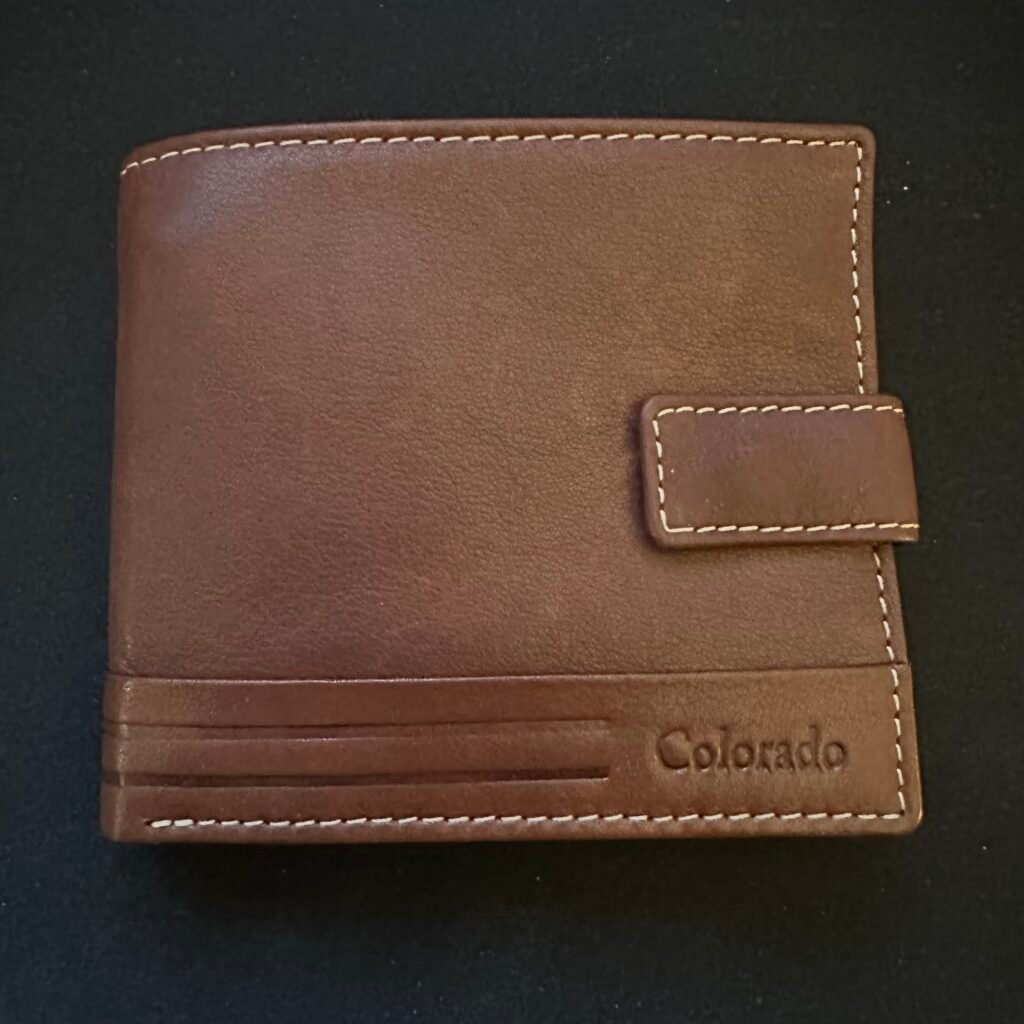
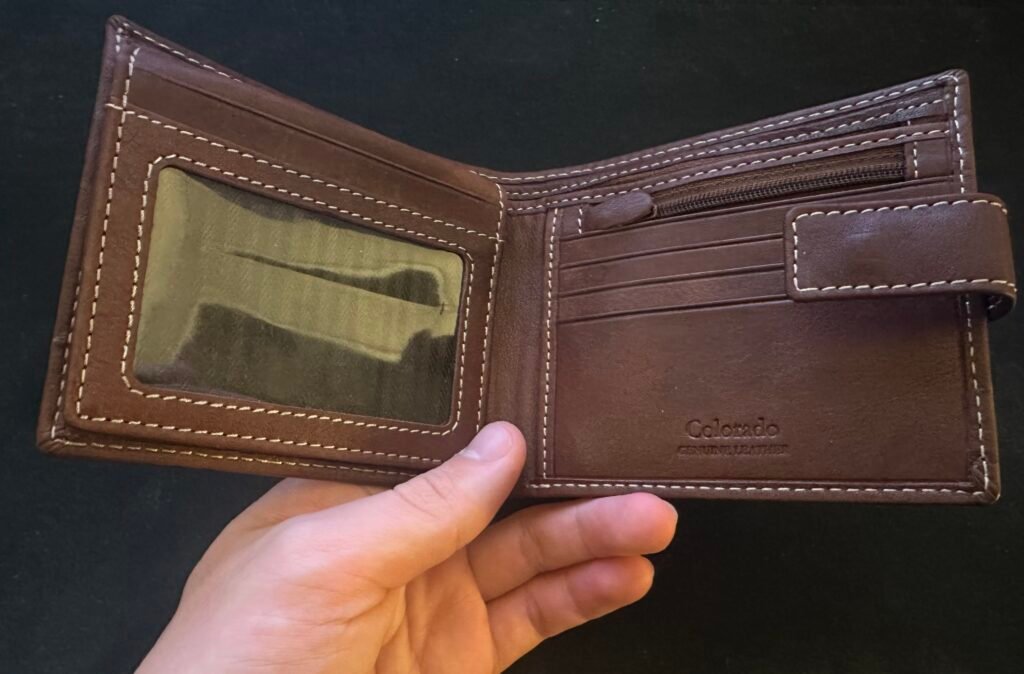
For this task I both performed an in-person test and conducted an interview. I began with the in-person test. Using this approach, I could observe the user interacting with the design to discover pain points that might go unnoticed during the interview. To perform the test, I asked my family members (my mum, dad, and brother) to interact with the wallet in several ways. First, I asked them to remove cards and money and slot them back in. Then, I asked them to put the wallet in their pocket with their other possessions. Finally, I asked them to show me how they would use the wallet to pay for something. To document this process, I wrote down any observations I noticed. After the test, I conducted a short interview where I asked what the user they liked and disliked about the wallet. Using these two methods I was able to gain a better understanding of the wallet and its design problems.
Observations
My mum and brother struggled the most with getting the cards out. Though my dad did not struggle as much, it still took him a couple of attempts to get the cards out. I noticed that everyone tried getting the cards out by getting a fingernail behind the card. This did not work well for my brother who didn’t have nails which caused him to struggle the most. As well as this, I found that the hardest card to remove was the middle card as there was less room to get your finger behind on that slot. Finally, it was found that if there were too many cards in the wallet it made it harder to remove them as they would press on one another.
Documentation of Transcript from In-Person Interview
Mum
- Found it difficult to get the cards out
- Liked the cash pocket as it was nice and large
- Prefers wallets with vertical card sleeves
- Thought the wallet was nice to hold and looked good
Dad
- Found the wallet to be too big
- Said he found it easy to get the cards out
- Liked the material and overall design
Brother
- Hated everything about it
- Found it to be too big
- Too hard to get the cards out
- Hates cash in general
A Critical Review of The Wallet
Strengths
The feedback highlighted some meaningful strengths that could inform future iterations of the wallet. Most of the interviewees responded positively to the aesthetics and materials of the wallet, describing it as comfortable to hold and visually appealing. The cash pocket was also highlighted as being useful and well designed. This feedback indicates that the design succeeds in its aesthetics and material choices despite some functional elements falling short.
Negatives
The weaknesses identified through observation and interviews reveals some fundamental design flaws with this wallet. Card removal emerged as a consistent pain point across all participants, indicating a fundamental flaw in the design rather than an isolated user error. The design’s reliance on fingernails to remove cards exposes an accessibility issue for those with short nails or limited dexterity. Overstuffing the wallet, as many might do when they’re out of room, worsened the removal problem. The wallet’s size was also highlighted as an issue with some users. The overall negative response to the wallet suggests that design does not adequately support a diverse range of users.
Opportunities
These insights have opened up several opportunities for more user-centred refinement. The most immediate opportunity would be the card removal mechanism as it was highlighted to be a recurring issue with users. Thanks to user testing, it was found that the root cause of the difficulty is the lack of room behind the card to get a grip on it. A possible opportunity could be to add some spacing behind each sleeve so that the user can grab the cards more easily. Another opportunity, as found during the interview process, would be to decrease the form factor of the wallet, improving its portability.